
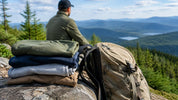
How to Choose Ethical Clothing Brands Supporting Veterans
, by Editorial Team , 8 min reading time
Check ethical clothing brands for real veteran support before buying. Compare charitable claims and learn how to spot veteran apparel made in USA.
Last Updated: November 21, 2026
Quick Summary
To choose ethical clothing brands supporting veterans, read the mission page before the product page and confirm the brand names its nonprofit partners and explains its production. Genuine brands prove ownership and giving in writing, while vague patriotic language is a warning sign.
Ethical clothing brands supporting veterans combine how the garment is made with where the money goes. A patriotic graphic means little if the shirt is poorly made or the donation never arrives.
Genuine veteran-owned clothing brands prove ownership and giving in writing. Vague "supporting our heroes" language is a warning sign.
Clothing companies that support veterans vary widely in how they give. Match the brand's cause to what you care about, then confirm the details are stated openly.
Veteran apparel made in USA claims deserve scrutiny, because domestic manufacturing affects both durability and accountability. A brand that names its production partners is usually more careful about what it sells.
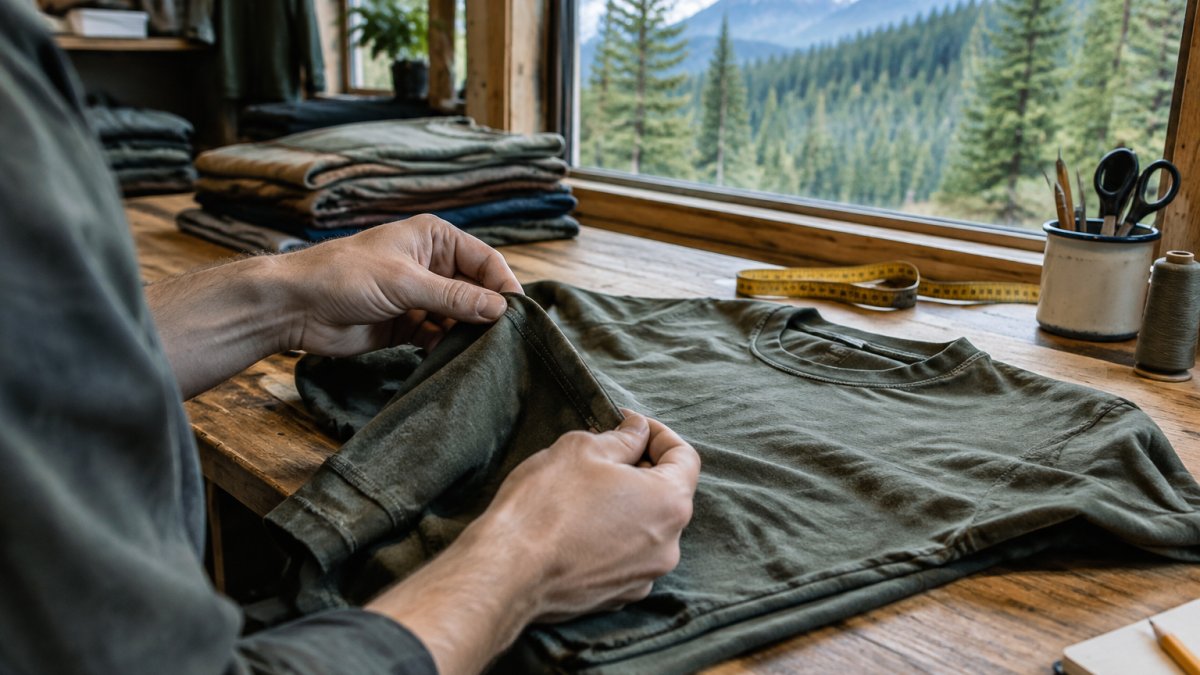
Construction, not the graphic, decides how a tee survives repeated washing. Look for garment-dyed cotton, reinforced seams, and a described print method.
Purchase-driven giving works best when the brand names the program and the outcome. Adventure therapy, wilderness rehabilitation, and outdoor retreats are common vehicles, and they connect naturally to apparel brands built around the outdoors.
The U.S. Department of Veterans Affairs mental health resources outline the range of support available to veterans, which helps you judge whether a brand's stated cause is credible and specific.
At Outdoors Club USA, our mission is to directly fund wilderness rehabilitation and adventure therapy programs for veterans and first responders.
Charitable initiatives are where mission-driven brands earn or lose trust. A named foundation, a recurring partnership, and public updates signal giving that is structural, not seasonal.
Support for injured veterans and mental health programs is often the most meaningful part of a mission-driven purchase. Outdoor activity and community connection are widely used as complements to clinical care, and brands that fund these programs give buyers a simple way to contribute.
The National Center for PTSD provides public information on trauma and recovery, useful context for understanding why outdoor and community programs matter to many veterans.
Memorial designs honor fallen heroes and service members and carry real weight for the families who wear them. The best versions are restrained, respectful, and paired with a stated commitment to veterans' families.
Choosing well comes down to ranking what matters to you: sourcing, giving, fit, or design.
Your priority |
What to check first |
Why it matters |
|---|---|---|
Transparency |
Named nonprofit and stated giving |
You can verify the mission |
Quality |
Fabric, seams, print method |
The garment lasts past ten washes |
Ethical production |
Domestic or named manufacturing |
Easier to trace and hold accountable |
Ethical buying here requires one extra step: read the mission page before the product page. Brands that name their partners, explain their production, and support veterans year-round are worth your wardrobe space.
Our challenge to you is simple: stop buying patriotic graphics from brands that cannot name a single program they fund. Outdoors Club USA builds over 150 rugged, garment-dyed designs inspired by the Great American Outdoors, and every purchase helps fund wilderness rehabilitation and adventure therapy for veterans and first responders. You get premium Comfort Colors apparel with free shipping on every order, and the mission travels with the shirt. Get started with Outdoors Club USA and wear the outdoors while supporting the people who served.
Look for specifics rather than slogans. A genuine brand names the nonprofit or program it funds, states what percentage of proceeds goes there, and links to that partner's own page. Check whether the brand publishes any impact reporting, even a simple annual note. If a page says only that it 'supports veterans' with no named recipient, treat that as unverified until you find the detail elsewhere.
A veteran-owned clothing brand is founded or run by someone who served; the ownership is the connection. A brand that supports veterans may have no military ties at all but donates proceeds or funds programs. Both can be worthwhile. The distinction matters because ownership alone does not guarantee donations, and donations alone do not guarantee ethical manufacturing. Check each claim separately.
Yes, but you have to verify two things independently. Domestic manufacturing claims should name the factory or at least the state of production. Ethical sourcing claims should describe materials, such as organic or low-impact cotton, and how the brand backs that up. A brand that answers both questions specifically is a stronger bet than one that repeats 'Made in America' without detail.
